Ageing cities: What migration can – and cannot – do
10 June 2026
At wiiw’s 2026 Spring Seminar, experts discussed how migration can help major cities address the challenges of ageing populations – and how migrants’ skills and potential can be put to better use
image credit: wiiw/Andreas Knapp
By Florian Huber and Andreas Knapp
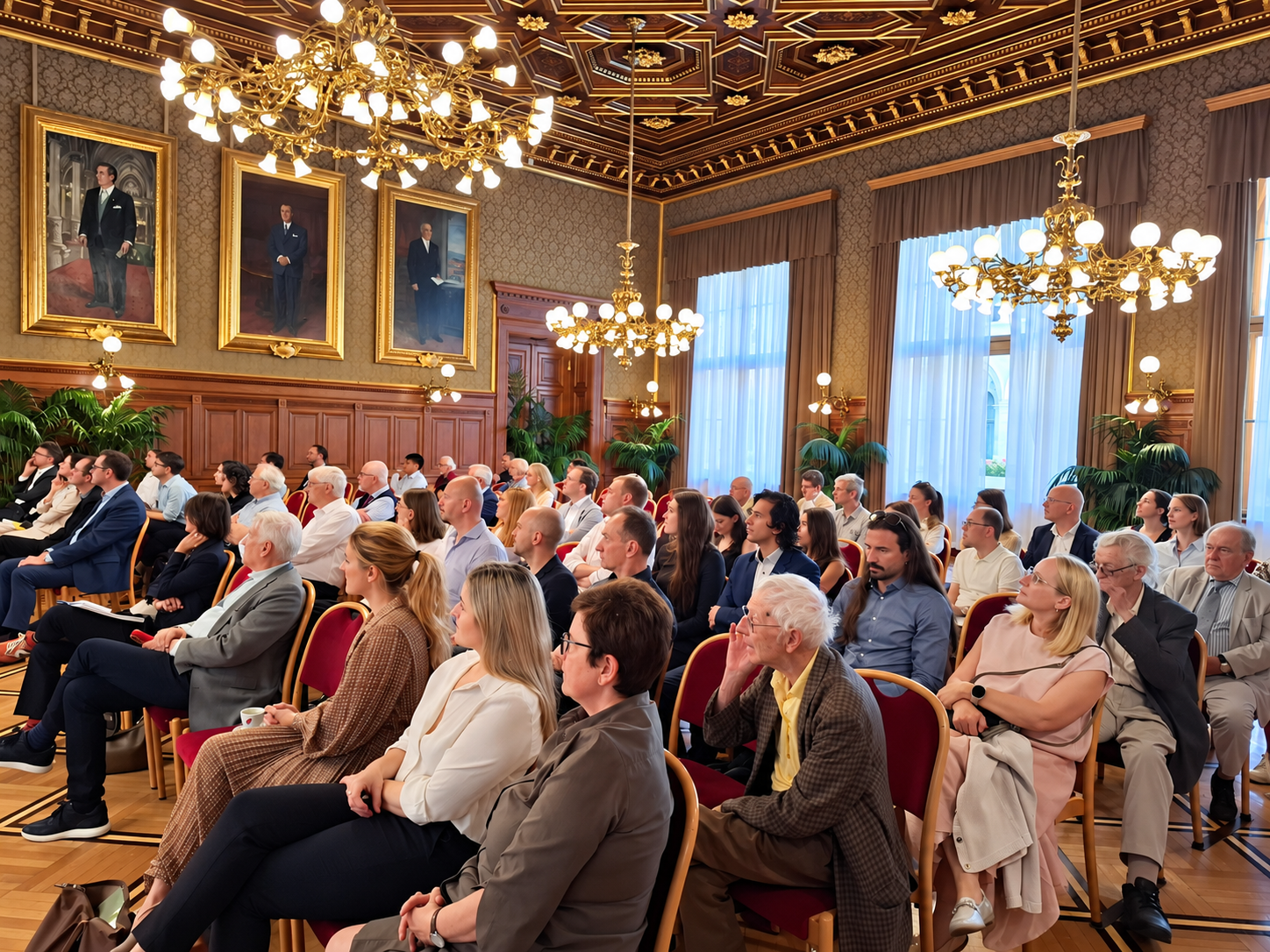
On 28 May, the Vienna Institute for International Economic Studies (wiiw), in cooperation with the City of Vienna, hosted its annual Spring Seminar in the Stadtsenatssitzungssaal at Vienna City Hall. Entitled ‘Urban Human Capital Nexus: Navigating Ageing, Culture, Markets, and Integration’, the event brought together experts from a range of fields to discuss how cities can respond to demographic change, while remaining socially and economically dynamic.
At the heart of the discussion was the question of how and to what extent migration can help major cities address the challenges of population ageing – and how migrants’ skills and potential can be put to effective use.
Keynote by Alessandra Venturini on migrants as human capital in major cities
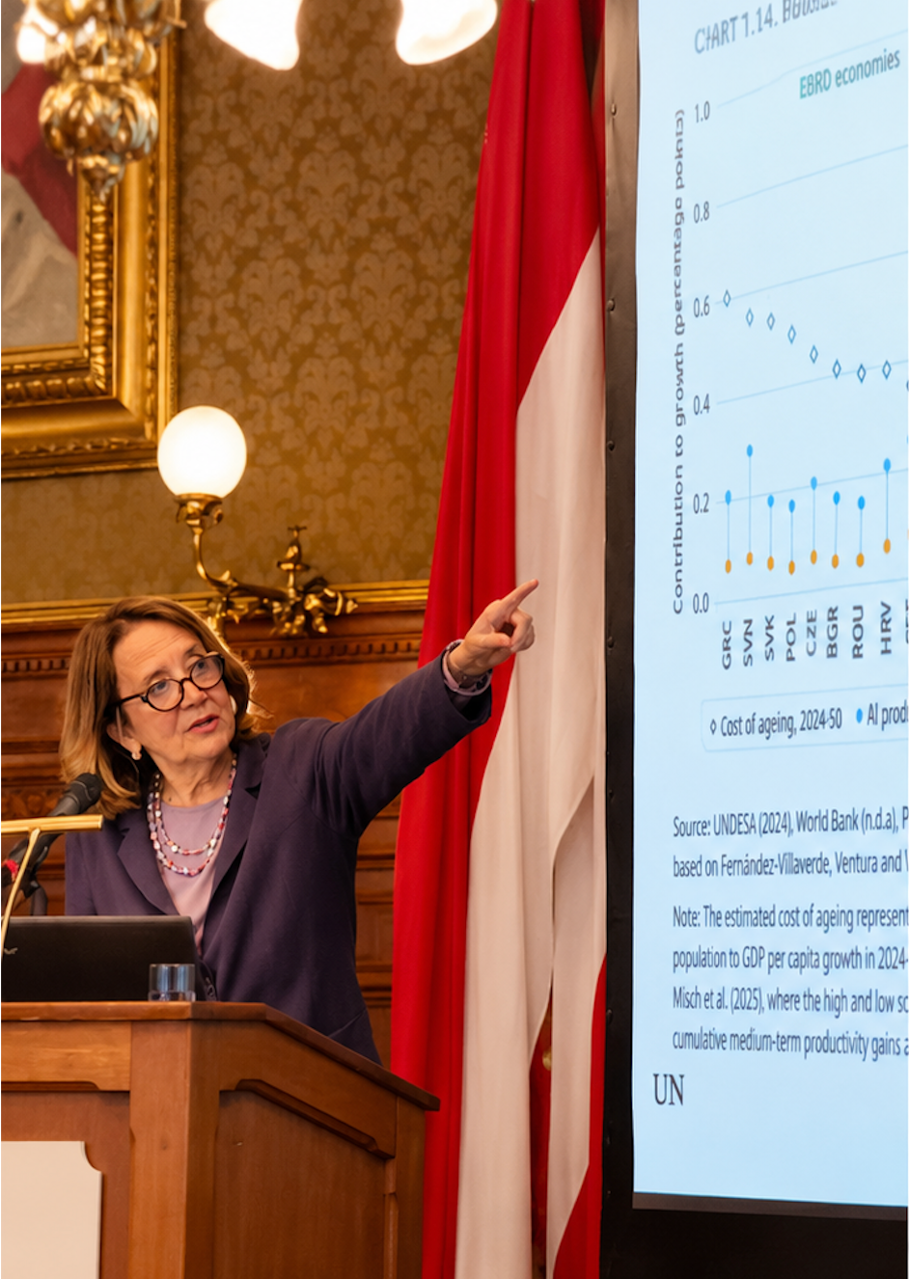
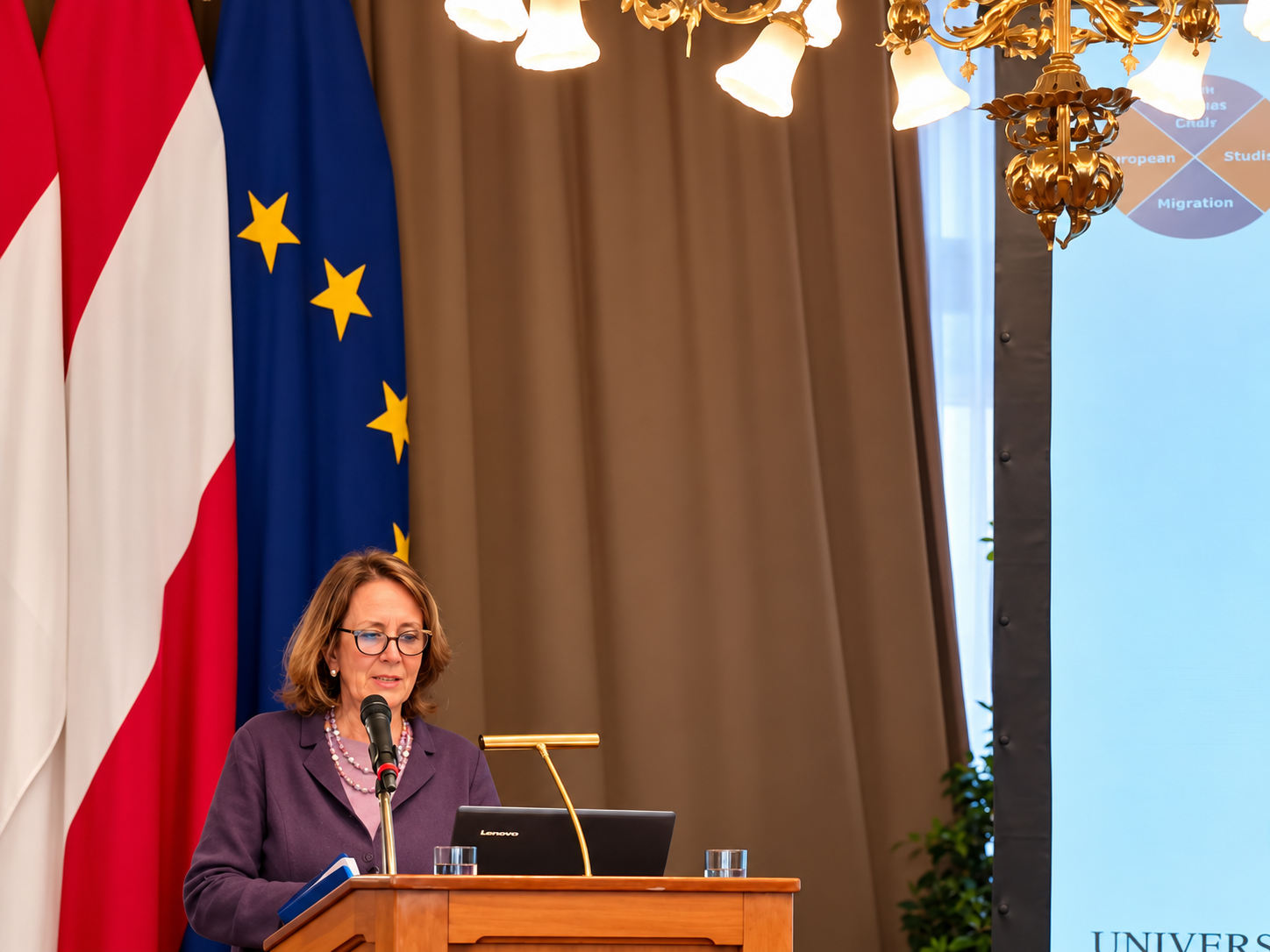
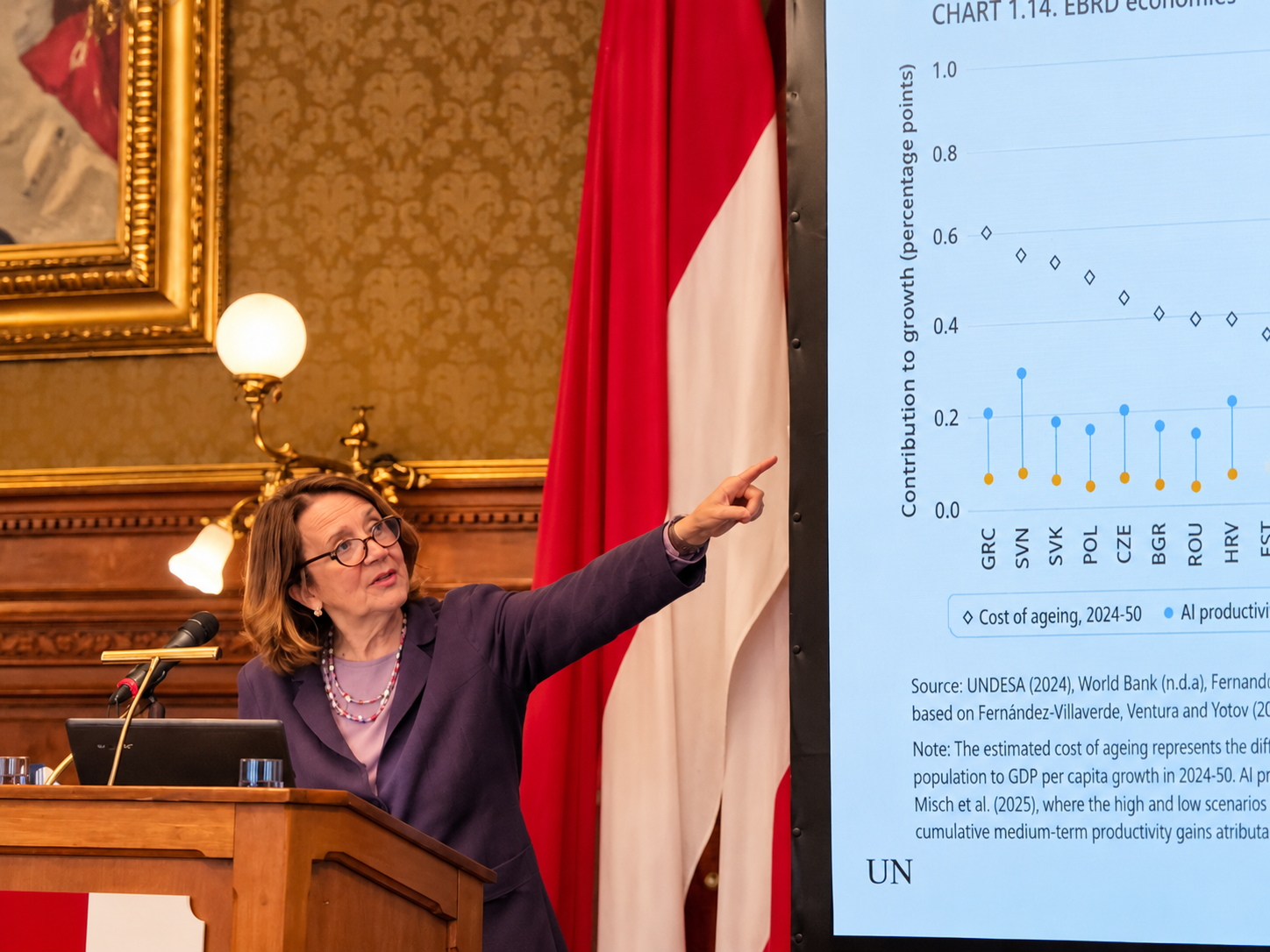
In her keynote address, Professor Alessandra Venturini, holder of the Jean Monnet Chair in European Migration Studies at the University of Turin, argued that migration can help major cities mitigate some of the economic and social effects of population ageing, although it cannot reverse demographic change on its own.
wiiw/Andreas Knapp
As migrants tend to be younger than the native population, they can support labour supply, economic activity and social-security systems. Their contribution, however, depends not only on how many people arrive, but also on how successfully they are integrated into the labour market and society.
wiiw/Andreas Knapp
Venturini placed particular emphasis on the need to make better use of migrants’ human capital. Qualifications and professional experience acquired abroad are frequently undervalued or not formally recognised, resulting in overqualification and skills mismatches. Improved recognition of qualifications, language training, access to further education and more effective links between migrants and employers are therefore crucial.
Cities have a central role to play in this process, as they bring together migrants, businesses and public services, and can turn migration into a source of economic dynamism, social cohesion and cultural diversity.
Panel discussion: migration as one part of the answer to demographic change?
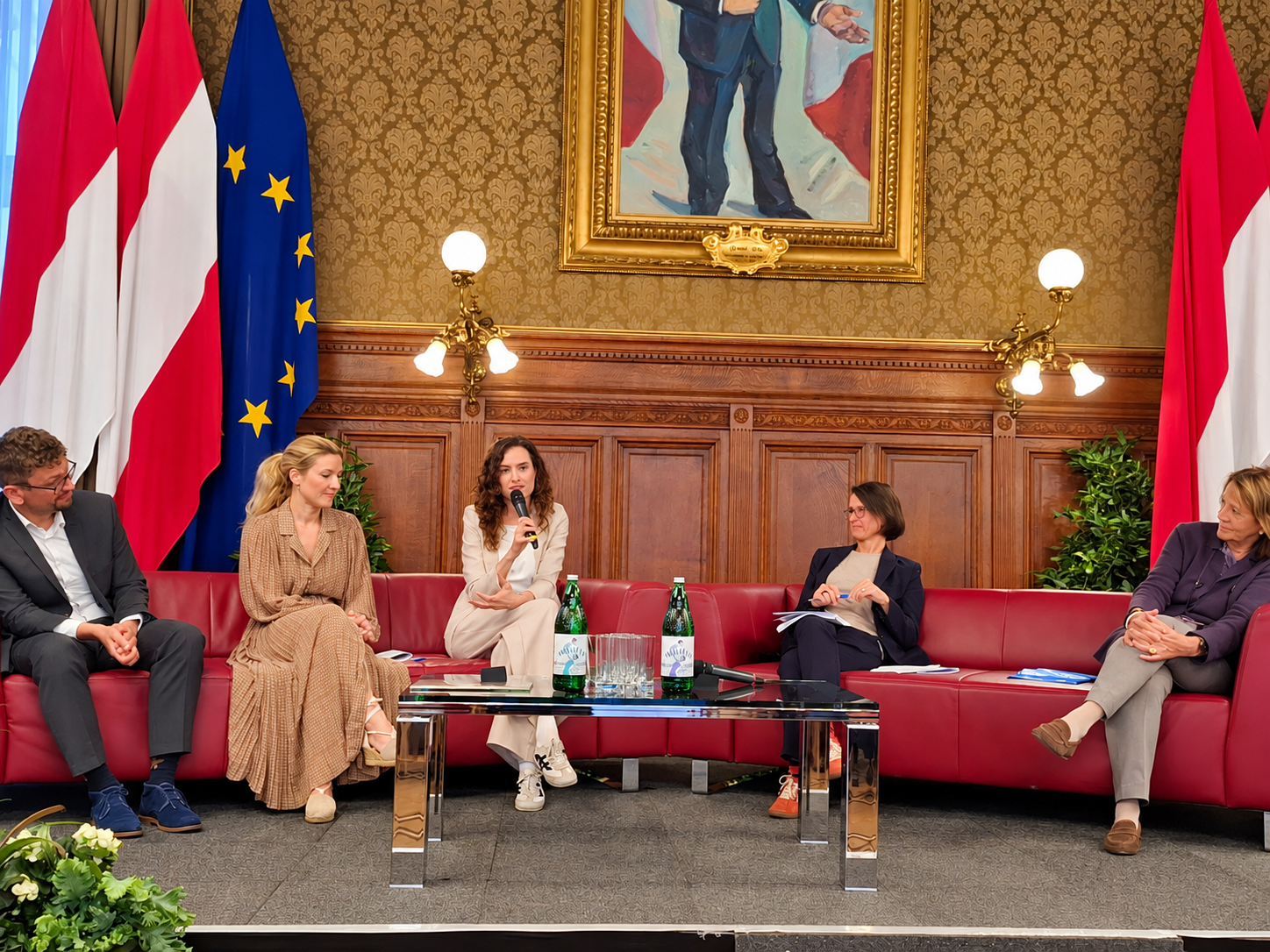
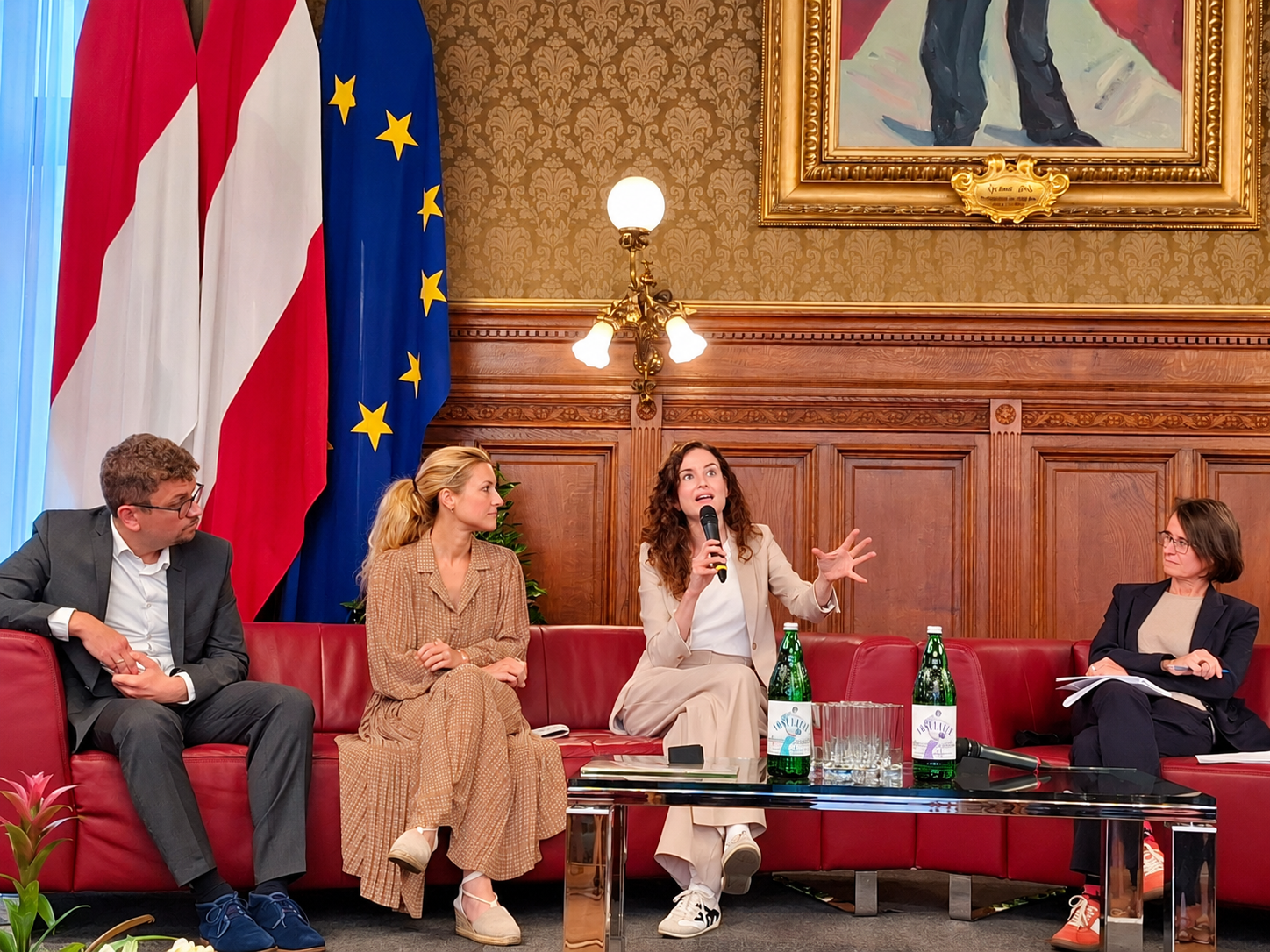
The panel discussion that followed, moderated by Sandra Leitner (wiiw), brought together perspectives from academia, public administration and integration policy. Alongside Alessandra Venturini, the panel featured Sandra Ivkic from the Austrian Integration Fund (ÖIF), Stefan Jestl from the City of Vienna, who is also a Research Associate at wiiw, and Judith Kohlenberger from the Vienna University of Economics and Business (WU).
wiiw/Andreas Knapp
A central point of the discussion was that migration cannot reverse demographic change. Immigration cannot fully offset declining birth rates and population ageing, but it can help mitigate some of their economic consequences, for example by stabilising the workforce and alleviating labour shortages.
The panellists stressed, however, that the economic contribution of migration depends crucially on how successfully newcomers are integrated into the labour market. Immigration alone does not mean that the human capital available is being used to its full potential. People with lower levels of formal education or limited language skills, in particular, may require longer-term and targeted education and training. The question is therefore not simply how many people migrate to a city, but also what opportunities they are given to develop their skills and to participate in the labour market.
Vienna as an example of migration’s contribution to the labour market
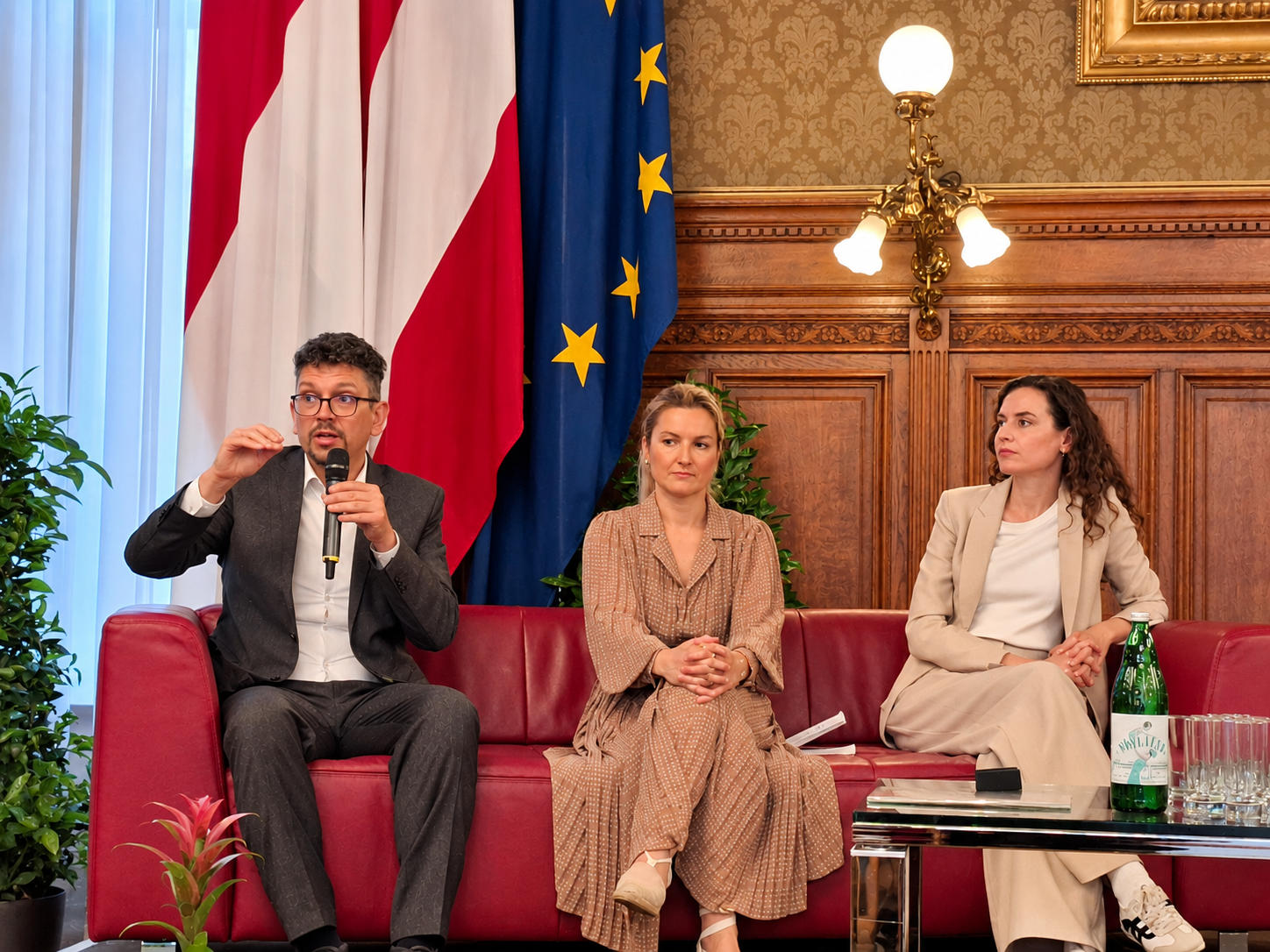
Stefan Jestl brought the perspective of the City of Vienna to the discussion, presenting concrete figures on developments in the Viennese labour market. According to the figures he produced, people with Syrian, Afghan, Iraqi or Iranian citizenship accounted for 22% of Vienna’s total employment growth between 2019 and 2025.
wiiw/Andreas Knapp
For Jestl, these figures illustrate the substantial contribution that migration is already making to Vienna’s labour market. At the same time, this contrasts with a public debate on migration that frequently focuses on unemployment and difficulties with social integration. A key question is therefore how newcomers can be given better opportunities to enter an ever-changing labour market, develop their skills and remain in employment.
Work as part of successful integration
Sandra Ivkic emphasised the importance of starting the integration process as early as possible, and of linking language learning, orientation and training with access to the labour market. A key element of her argument was that learning German and entering employment should not necessarily be treated as consecutive steps: migrants do not need to speak perfect German before they can start working. Instead, language acquisition and labour-market integration can take place in parallel.
The workplace itself can play an important role in integration. Using German in everyday working life can improve language skills, while regular contact with colleagues and customers can help migrants build social networks beyond their own communities. Employment also promotes economic independence and broader participation in society. In this sense, work is not simply the end result of successful integration, but can itself be an important part of the integration process.
Integrating migrant women as a long-term investment
The labour-market integration of migrant women was another major theme. The panellists broadly agreed that supporting and empowering women should be regarded as a long-term investment whose benefits extend beyond the individuals directly affected. Better language skills, education and access to employment can strengthen women’s economic independence and participation in society, while also improving the educational and integration prospects of the next generation.
wiiw/Andreas Knapp
At the same time, female labour-force participation remains comparatively low in some migrant communities. The discussion highlighted a combination of factors that can make access to employment more difficult, including language barriers, caring responsibilities and cultural or family constraints. Addressing these obstacles therefore requires sustained efforts, rather than short-term measures.
Between the challenges and opportunities of migration
Judith Kohlenberger brought a broader societal perspective to the discussion. Migration presents growing cities with considerable challenges, not least because population growth increases demand for housing, schools, public infrastructure and social services. At the same time, she stressed that migration should not be viewed solely through the lens of these pressures. Newcomers can contribute to the labour market, pay taxes, establish businesses and become active members of urban society.
The challenge for policy makers is therefore to acknowledge both sides of migration and to incorporate them into a coherent long-term strategy. In an often highly polarised public debate, attention tends to focus either on the challenges associated with migration or on its potential benefits. The panel discussion showed instead that the two need to be considered in tandem – and that migration policy cannot be separated from integration policy or from longer-term demographic and economic developments.
For ageing European cities, migration is likely to play an increasingly important role. It cannot solve demographic ageing on its own, but it can contribute to stabilising the labour market and maintaining cities’ economic dynamism. Whether cities can make full use of this human potential ultimately depends on how successfully they provide access to language learning, education, training and employment. The future of urban human capital therefore depends not only on who lives in a city, but also on whether people are given the opportunity to develop their skills and put them to effective use.
wiiw/Andreas Knapp