Bringing together research and decision-makers on tobacco taxation in Central Eastern Europe
30 September 2026
Researchers and policymakers from across CEE gathered in Warsaw for a three-day seminar organised by wiiw’s Health Economics and Policy Analysis team. At the centre of discussions was the latest research on tobacco taxation and its fiscal and health effects
image credit: wiiw/HEPA
From 22 to 24 September, wiiw Health Economics and Policy Analysis (wiiw HEPA), the health economics group of the Vienna Institute for International Economic Studies (wiiw), held a three-day research and policy seminar in Warsaw on tobacco taxation in Central and Eastern Europe (CEE). The event was organised in collaboration with Economics for Health (EfH) at Johns Hopkins University and the local partner, the Institute for Structural Research (IBS), in Poland’s capital.
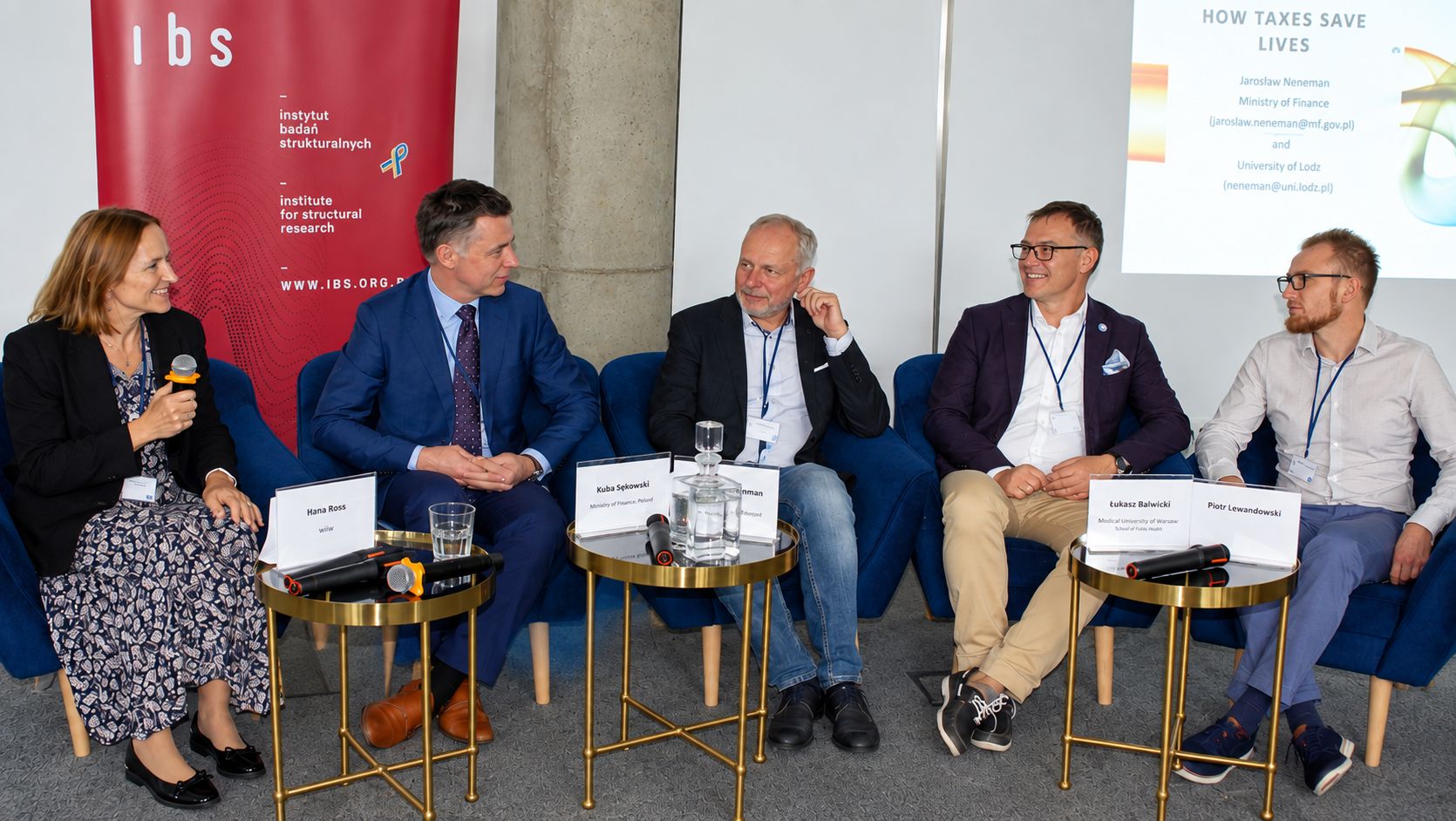
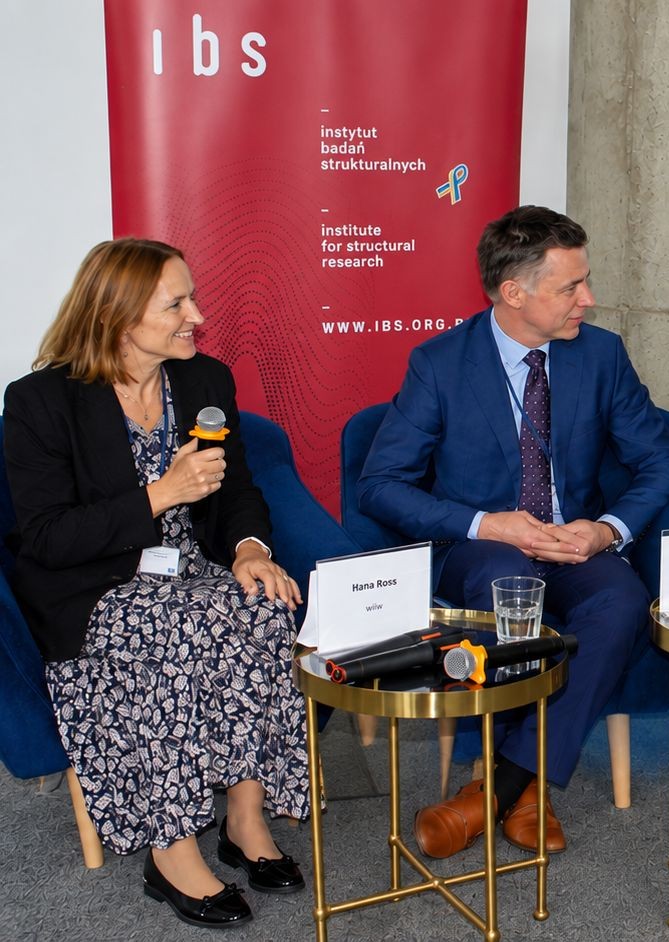
The seminar brought together researchers and policymakers from across the region to exchange evidence, experiences and policy perspectives on tobacco taxation and control.
Research from 13 countries
The first, internal part of the seminar brought together several dozen researchers from 13 countries across CEE, including both EU member states and candidate countries. They presented and discussed ongoing and published research on national tobacco markets and the policy landscape.
The research covered a broad range of issues, from modelling the effects of tax reforms and monitoring their impact to illicit tobacco trade, youth initiation and patterns of consumption. Participants also presented survey-based research and analysed the wider economic and healthcare costs associated with smoking[JW1] .
By bringing together researchers working on different countries but facing many similar challenges, the seminar provided an opportunity to compare experiences across the region and discuss which policy approaches have proved most effective.
From research to policy
For the public part of the seminar, the researchers were joined by several dozen policymakers from across CEE, including representatives of ministries of finance and health, customs authorities, and national parliaments. International organisations and representatives from countries with strong track records in tobacco taxation, including the United Kingdom and France, also took part.
The public sessions brought research and policymaking into direct dialogue. Speakers included representatives of the OECD, the World Health Organization (WHO), the European Commission’s Directorate-General for Taxation and Customs Union (DG TAXUD), and an Undersecretary of State at Poland’s Ministry of Finance.
Discussions focused on how well-designed tobacco taxation can contribute to reducing smoking while at the same time generating public revenues, as well as on the practical challenges involved in implementing and enforcing effective tax policies.
wiiw HEPA presents research on EU tobacco taxation
The entire wiiw HEPA team took part in the seminar, moderating several panel discussions and contributing its own research to the debate.
The team presented its modelling of the fiscal and health implications of proposed changes to EU tobacco tax legislation, as outlined in a study for the European Parliament. The research examines how changes in tobacco taxation could affect consumption, public health, and government revenues across the EU.
The Warsaw seminar forms part of wiiw HEPA’s broader work on the economics of tobacco control and health policy in CEE, combining economic research with policy analysis and dialogue across the region.