New study: Regime change in Iran could boost EU economy
02 March 2026
GDP gains of up to 0.7% for the EU; Austria would benefit particularly; dampening effects on inflation; Iran could reach the economic level of Turkey or South Korea in the medium term
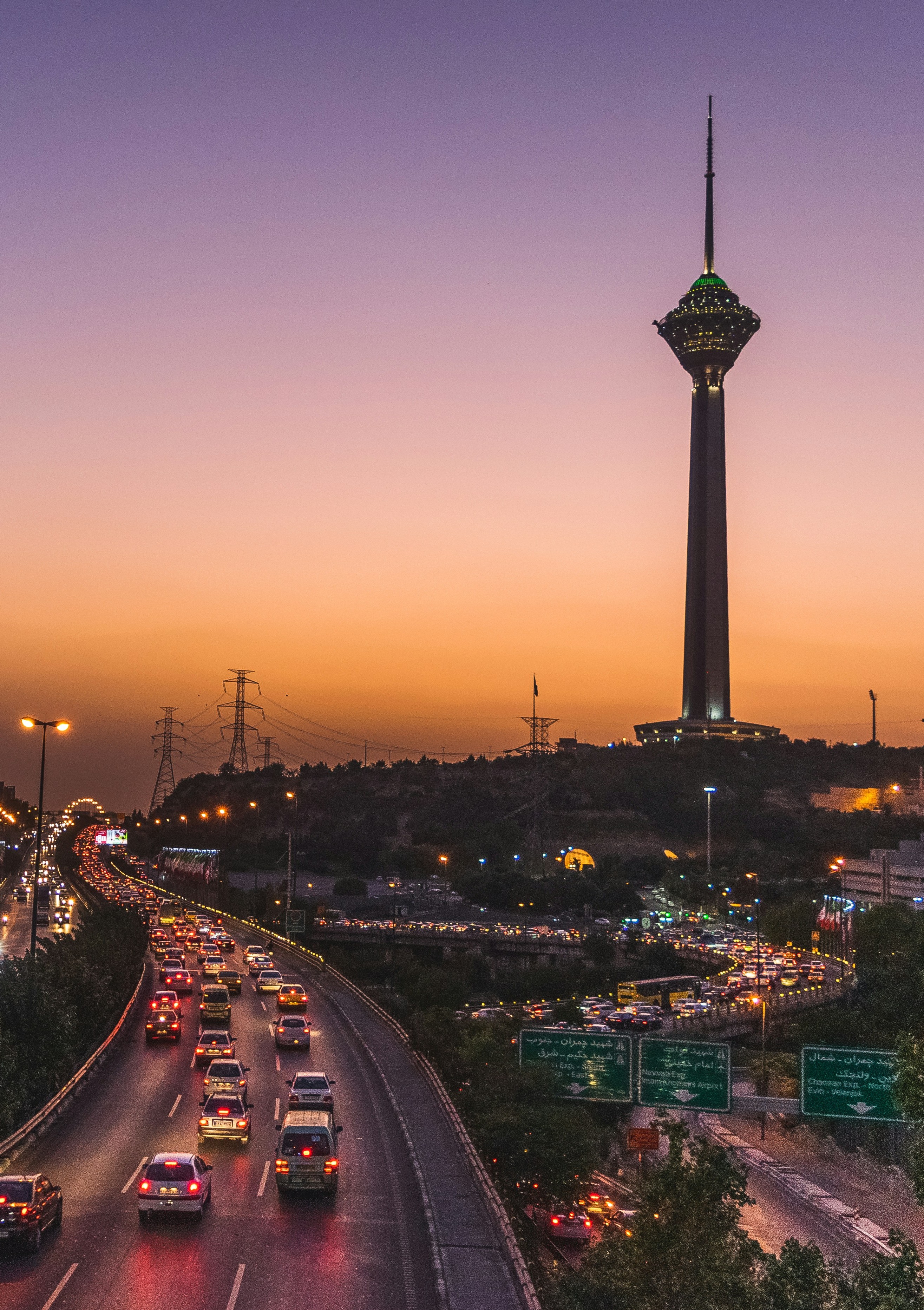
image credit: unsplash.com/Mohammad Amirahmadi
Fundamental political change in Iran and the country’s subsequent reintegration into the global economy could bring considerable economic benefits for Austria and Europe. This is shown by a new study conducted on behalf of the German Initiative for a New Social Market Economy (INSM) by an international team of economists led by Mahdi Ghodsi, Iran expert at the Vienna Institute for International Economic Studies (wiiw), and Gabriel Felbermayr, Director and Senior Economist at the Austrian Institute of Economic Research (WIFO).
‘Since the Islamic Revolution of 1979, Iran has been living under one of the strictest sanctions regimes in the world. Its population of around 93 million has been largely isolated from the West, and its economy is currently in tatters’, Ghodsi says. ‘This means that the economic development potential of opening up the country under a new government is enormous. More trade, lower energy prices, and a more efficient international division of labour would bring significant gains in prosperity for Europe, as pwell.’
According to the study, the lifting of EU sanctions alone could increase Iran’s real gross domestic product (GDP) by more than 80% in the long term. At the same time, economic output in the EU and Austria could grow by 0.3% and 0.5%, respectively. This corresponds to an additional annual income of almost EUR 2.51 billion for Austria and more than EUR 54 billion for the EU.
Austria would benefit particularly
Austria benefits disproportionately in the model calculations. With a projected GDP growth of 0.5%, the effect of Iran’s reintegration into the global economy would be significantly higher for Austria than for Germany (0.3%) or the EU as a whole. This is due to the structure of Austria’s economy and the corresponding export opportunities for Austrian companies.
‘Austria has traditionally been strong in plant engineering, mechanical engineering, construction, transport infrastructure, water treatment, and environmental technology’, Ghodsi explains. ‘These are all areas in which Iran has enormous catching up to do. In addition, Austria has already been one of the largest exporters of pharmaceuticals and medical technology to Iran.’
Prosperity level of Turkey or South Korea possible in the medium term
The study finds that positive effects for Iran would be particularly significant if the lifting of sanctions were accompanied by economic reconstruction and productivity gains. The latter could be achieved primarily through less corruption, better government institutions, and greater legal certainty.
In scenarios in which Iran’s labour productivity approaches that of countries like Turkey or South Korea, Iranian GDP could rise by 240-390%, thereby reaching the development level of Turkey or even South Korea in the medium term. In this case, the gains in prosperity for Europe would also be significantly higher, amounting to up to 0.7% of GDP.
Dampening effects on inflation
A return of resource-rich Iran to the global energy markets could also lower oil and gas prices, reduce volatility in the energy markets, and dampen inflationary pressures in Europe, the study notes. In addition, more stable political conditions in the region are likely to improve the security of important maritime trade routes and reduce migration pressures on Europe.
The study emphasises that its findings are linked to fundamental political change in Iran. It neither advocates for nor legitimises the lifting or easing sanctions under the current regime or without far-reaching and credible reforms that fully address the concerns underlying the sanctions currently in place.
‘Moral clarity and economic prudence are not mutually exclusive’, Felbermayr says. ‘That is precisely why it is important to analyse possible scenarios soberly and prepare Europe for the economic consequences of political change.’
Possible consequences of the Iran war
As anticipated in the study, which was completed before the ongoing Israeli and US attacks on Iran, the Islamic Republic is expanding the conflict to the entire region by targeting US bases in the Arab states of the Persian Gulf.
‘The economic and geopolitical costs of this war are likely to rise rapidly’, Ghodsi says. ‘The technological superiority of the US and Israel will have a decisive impact on the military outcome of the war. At the same time, the major Arab oil producers have announced that they will expand production to stabilise global energy markets.’
‘However’, Ghodsi stresses, ‘the shipment of oil through the Strait of Hormuz remains subject to considerable risks, even if the current blockade by Iran were to end. And there are fears that the conflict could spread throughout the region, leading to prolonged destabilisation with massive negative consequences for the global economy.’